
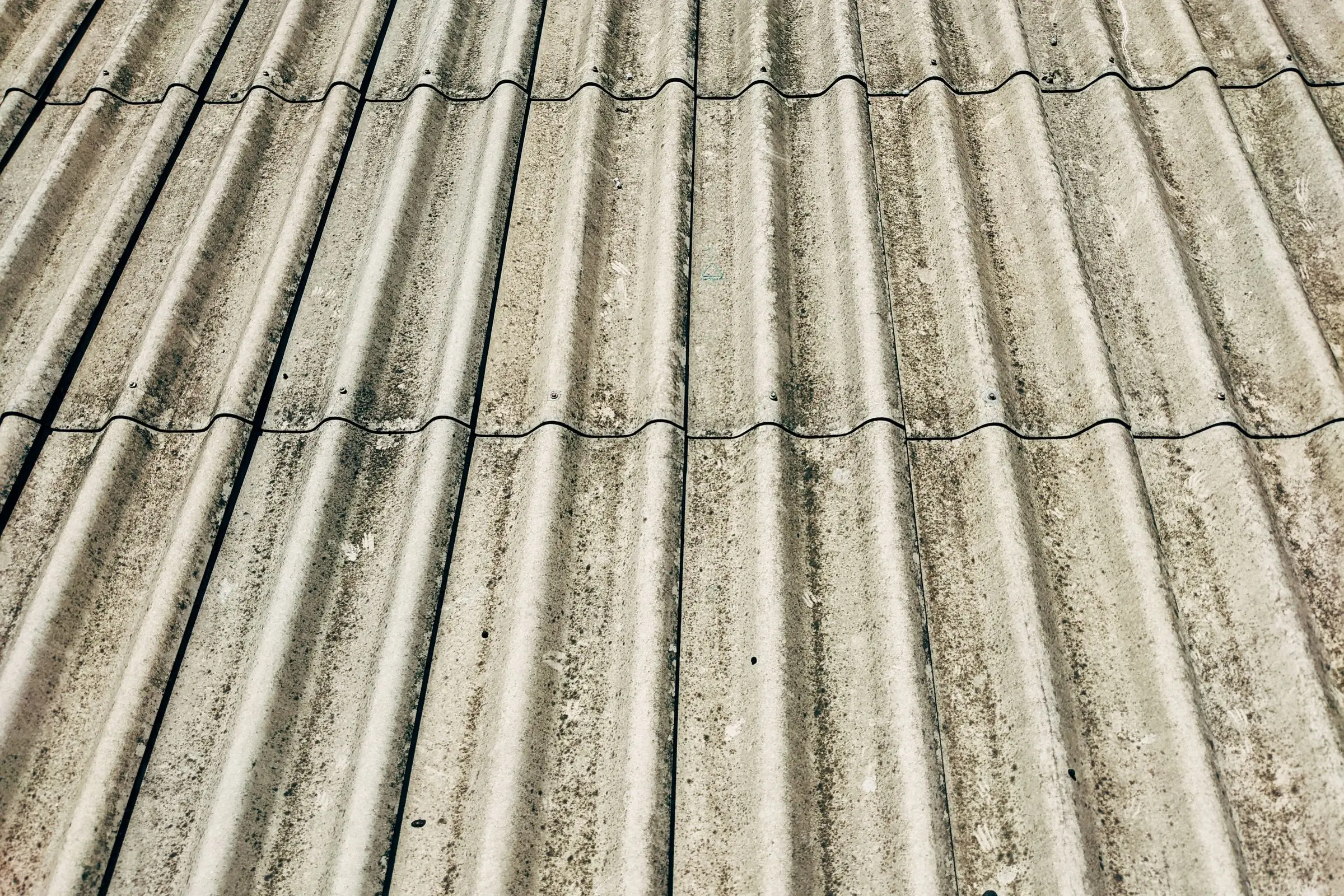
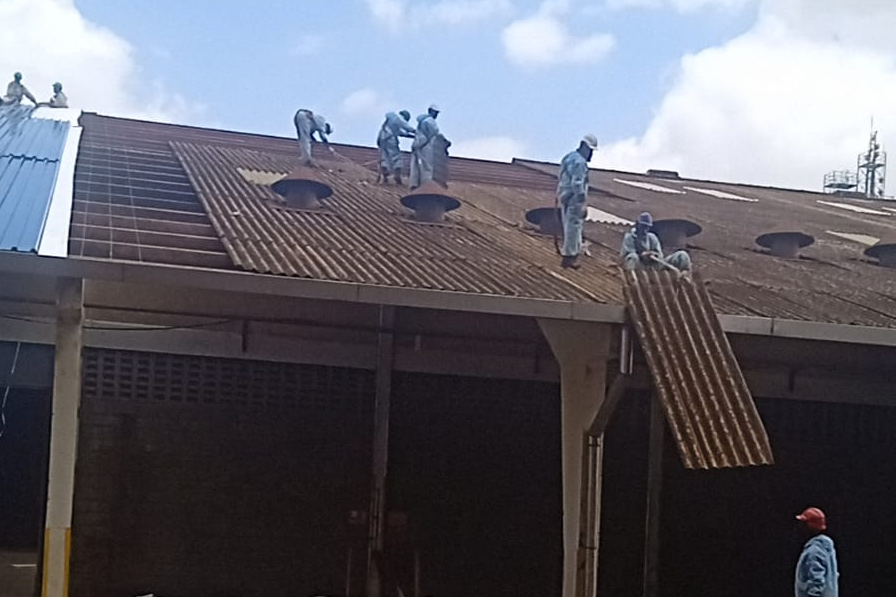
Asbestos is easy to overlook. It may still be present in older buildings across Kenya, particularly in roofing, ceilings and other construction materials. For a property owner, the issue is not simply whether asbestos is present, but whether the material is intact and what could happen if it is damaged, disturbed or begins to deteriorate.
NEMA distinguishes between asbestos-containing materials that remain intact and undisturbed and those that are damaged, disturbed or deteriorating. Once fibres can be released into the air, the potential for exposure becomes a serious concern. That distinction matters when a property is being renovated, demolished or prepared for roof replacement.
What Is Asbestos?
Asbestos is a group of naturally occurring fibrous minerals that was widely used because of properties such as heat resistance, strength and durability. It was incorporated into a range of building and industrial products, which is why older properties may still contain asbestos-containing materials.
In Kenya, NEMA identifies roofing and ceilings in older houses, industries, hospitals and schools among common uses. Other historical uses include insulation and certain pipe and vehicle components.
Where Can Asbestos Be Found in Kenya?
Possible locations include older roofing sheets, ceiling materials, insulation, pipes and other products installed in older buildings. That does not mean every older building contains asbestos, and the material should not be identified simply by appearance. Where asbestos is suspected, an appropriate assessment should be considered before work that could disturb it.
Why Is Asbestos Considered a Hazard?
The condition of asbestos-containing material matters. Material that remains intact and undisturbed is different from material that is cracked, broken, deteriorating or disturbed during construction work.
When asbestos-containing material is damaged or disturbed, fine fibres can become airborne. Inhaling asbestos fibres is associated with serious long-term health conditions, which is why NEMA’s guidance focuses on preventing fibre release and managing asbestos carefully.
Asbestos-Related Hazards in Kenya
Airborne asbestos fibres
The main concern is the release of fine fibres into the air when asbestos-containing material is damaged, disturbed or deteriorates. The risk is therefore closely connected to the condition of the material and the work being carried out around it.
Damaged or deteriorating roofing
Older asbestos roofing can become a concern when sheets deteriorate or are disturbed during maintenance, renovation or replacement. Roof work should be planned with the material and its condition in mind.
Renovation and demolition
Renovation and demolition can disturb materials that have remained untouched for many years. Before major work on an older building, property owners should consider whether asbestos-containing materials may be present.
Improper handling and disposal
Asbestos waste should not be treated like ordinary construction waste. Poor handling, inappropriate transportation or disposal at an undesignated location can create environmental and public-safety concerns.
Why Old Asbestos Roofing Requires Special Attention
Roofing is one of the places where asbestos-containing material may still be encountered in older properties. The situation can change when sheets deteriorate, maintenance is needed, or a building is being prepared for a new roof.
An asbestos roof should not be treated like an ordinary roofing job. Before work begins, the condition of the material, the proposed scope of work, handling arrangements and disposal route all need to be considered. Where removal is required, it should be planned as a controlled project rather than routine roof replacement.
What Should You Do If You Suspect Asbestos in Your Building?
1. Avoid unnecessary disturbance: Do not break, cut, drill or otherwise disturb material simply to determine what it is.
2. Arrange an appropriate assessment: Where asbestos is suspected, obtain appropriate professional advice or assessment before work begins.
3. Understand the applicable requirements: The project should be planned around current environmental and waste-management requirements.
4. Plan the removal work: Where removal is necessary, the work should be undertaken using an appropriate professional process.
5. Plan handling, packaging and transportation: Asbestos waste needs to be contained and managed appropriately after removal.
6. Arrange an approved disposal route: Disposal should follow the applicable NEMA requirements and use an appropriate approved or licensed route.
7. Keep project documentation: Relevant approvals, tracking documents and disposal records should be retained where required.
NEMA’s asbestos-management FAQ says that, before removal work begins, the owner or operator should identify an appropriate disposal route and engage the relevant environmental assessment process. It also states that removal, handling and disposal work should not commence until the applicable NEMA decision or licence has been issued. Requirements should always be checked against the current NEMA position for the specific project.
Asbestos Removal in Kenya: What does the Process Involve?
Removing the material is only one part of the job. A properly planned project also considers the site, the work involved, how the material will be handled and packaged, how it will be transported, and where it will ultimately be disposed of.
- Assessment
- Project planning
- Applicable environmental and regulatory requirements
- Site preparation
- Controlled removal
- Handling
- Wrapping and packaging
- Transportation
- Approved disposal
- Documentation and project close-out
What Happens to Asbestos After It Is Removed?
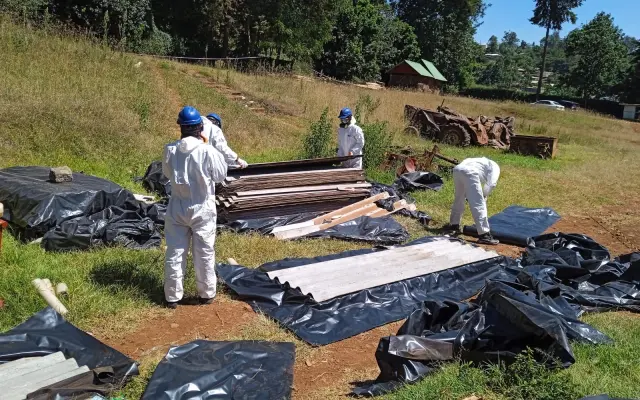
Once asbestos-containing material has been removed, it still has to be managed as asbestos waste. The basic chain is straightforward: removal, handling, wrapping or packaging, transportation and disposal.
NEMA’s national guidelines set requirements around packaging and transportation, while its current FAQ identifies approved disposal routes including approved on-site disposal where authorised, designated county facilities licensed for asbestos disposal, and licensed commercial asbestos disposal facilities.
Where Can Asbestos Waste Be Disposed of in Kenya?
Asbestos waste should only be taken through an appropriate disposal route. NEMA currently publishes information on licensed asbestos landfills and approved asbestos operators on its website, and property owners should verify current information before a project begins.
Do not assume that an ordinary construction-waste site is suitable for asbestos. The disposal route should be established as part of project planning, with the necessary approvals and documentation in place.
Why Professional Asbestos Handling Matters
Asbestos management is different from ordinary construction work. The objective is to control the material throughout the project so that it is not unnecessarily damaged, fibres are not unnecessarily released, and the waste reaches an appropriate disposal route.
That means the project needs to consider handling, containment, packaging, transportation, disposal and record-keeping—not just the moment when the material comes off the building.
Asbestos and Roof Replacement: What Happens Next?
For many property owners, asbestos removal is the first stage of a wider roof-renewal project. Once the asbestos-containing roofing has been appropriately managed and removed, the next step may be installing a new roof or carrying out reroofing.
This creates a practical link between asbestos management and roofing: the old material needs to be dealt with responsibly, while the building still needs a durable roof for the future.
How Steen Agencies Supports Asbestos Management in Kenya
Steen Agencies provides asbestos-management services for property owners, businesses, institutions and other clients who need support with asbestos-related work. The company’s service offering covers the stages of asbestos management and can also connect asbestos roof removal with subsequent roofing or reroofing requirements.
- Free Asbestos site visit and assessment support to get quotation
- Asbestos removal
- Asbestos handling
- Asbestos wrapping and packaging
- Asbestos transportation
- Asbestos disposal
- Asbestos tracking and completion certification
- Roof replacement and reroofing where required
The aim is to make the process easier for clients by coordinating the stages involved in asbestos management, from assessment and removal through handling, transportation and disposal, with roofing support where a replacement roof is needed.
How Property Owners Can Prepare for an Asbestos Project
- Identify the building or material that may contain asbestos.
- Avoid unnecessary disturbance before an appropriate assessment.
- Understand the environmental and regulatory requirements that apply to the project.
- Establish the intended disposal route before removal work begins.
- Plan access to the work area and consider occupants, workers and neighbouring areas.
- Plan the replacement roof if the project involves asbestos roofing.
- Keep relevant approvals, tracking information and disposal records.
Common Mistakes to Avoid When Dealing With Asbestos
1. Assuming old asbestos is harmless: Age alone does not determine whether asbestos-containing material can be safely disturbed.
2. Disturbing suspected asbestos unnecessarily: Breaking or damaging material can increase the possibility of fibre release.
3. Treating asbestos as ordinary construction waste: Asbestos requires a specific management and disposal approach.
4. Hiring an unverified handler: NEMA advises the public to seek authority before engaging an asbestos handler and warns about fraudulent claims.
5. Ignoring transportation requirements: Waste needs to be packaged and transported appropriately.
6. Using an inappropriate disposal location: Asbestos should go through an approved or licensed disposal route.
7. Starting work without understanding the applicable requirements: Project owners should confirm the current approval and environmental requirements before work begins.
Frequently Asked Questions About Asbestos in Kenya
What is asbestos?
Asbestos is a group of naturally occurring fibrous minerals that was widely used in construction and industrial products because of properties such as strength and heat resistance.
Is asbestos still found in buildings in Kenya?
It may still be encountered in older buildings and materials, including roofing and ceiling products. Its presence should be assessed appropriately rather than assumed from appearance alone.
Is an old asbestos roof dangerous?
An old asbestos roof is not automatically the same as immediate exposure. NEMA distinguishes intact and undisturbed material from asbestos that is damaged, disturbed or deteriorating and releasing fibres.
Can I remove an asbestos roof myself?
Asbestos removal should not be treated as ordinary DIY roofing work. The appropriate assessment, environmental requirements, controlled removal, handling, transportation and disposal arrangements should be established before work begins.
How is asbestos removed safely?
Professional asbestos removal involves planning the work, controlling disturbance, handling the material appropriately, packaging it securely, transporting it through the required route and arranging approved disposal.
Where can asbestos waste be disposed of in Kenya?
NEMA identifies approved on-site disposal where authorised, designated county facilities licensed for asbestos disposal and licensed commercial asbestos disposal facilities. Current site and operator information should be verified before a project.
What happens to asbestos after removal?
It remains controlled as asbestos waste and must be appropriately handled, packaged, transported and disposed of through an approved route.
How much does asbestos removal cost in Kenya?
There is no single price. Cost depends on factors such as the quantity and type of material, site access, project complexity, transportation, disposal requirements and whether roof replacement is also required.
Does Steen Agencies provide asbestos removal and disposal services?
Steen Agencies provides asbestos-management services including removal, handling, wrapping, transportation and disposal support. Clients should contact the company to discuss the requirements of their specific project.
Does Steen Agencies provide reroofing after asbestos removal?
Steen Agencies also provides roofing and reroofing services, allowing asbestos roof removal and subsequent roof replacement to be considered as part of the same overall project.
Conclusion
Asbestos is not simply an old roofing material to be treated like ordinary construction waste. For property owners in Kenya, the important issue is understanding where asbestos may be present, recognising when it may become a concern, and planning any removal, renovation or demolition work responsibly.
From assessment and removal to handling, packaging, transportation and disposal, each stage matters. If you suspect asbestos in your property or are planning to replace an asbestos roof, Steen Agencies can help you understand the available service options and plan the next steps.
Contact us : +254 7117 55513
Email: [email protected]
Website: https://steenagencies.co.ke
Comments